

SHADES OF
THE COLOUR GREEN
Green isn't just a colour
Green is the colour of chlorophyll — the pigment that plants use to convert sunlight into energy. Without the green colour of chlorophyll, there would be no life on Earth.
It surrounds us in nature, from lush forests to vibrant gardens, serving as a reminder of renewal and growth. This color not only signifies life but also symbolizes hope and freshness in our lives.
The story of the colour green is also an invitation: to look, to breathe, to grow.
It encourages us to take a pause and appreciate the beauty around us, urging us to connect with our environment.
In various cultures, green embodies tranquility and harmony, offering a sense of peace that fosters reflection and inner calm.




Green isn't just a colour
Green is the colour with which humans paint their relationship to life, power, and danger.
When an Artificial Intelligence places all the stories, symbols, and facts about the colour green side by side, no simple answer appears, but rather a field of tension.
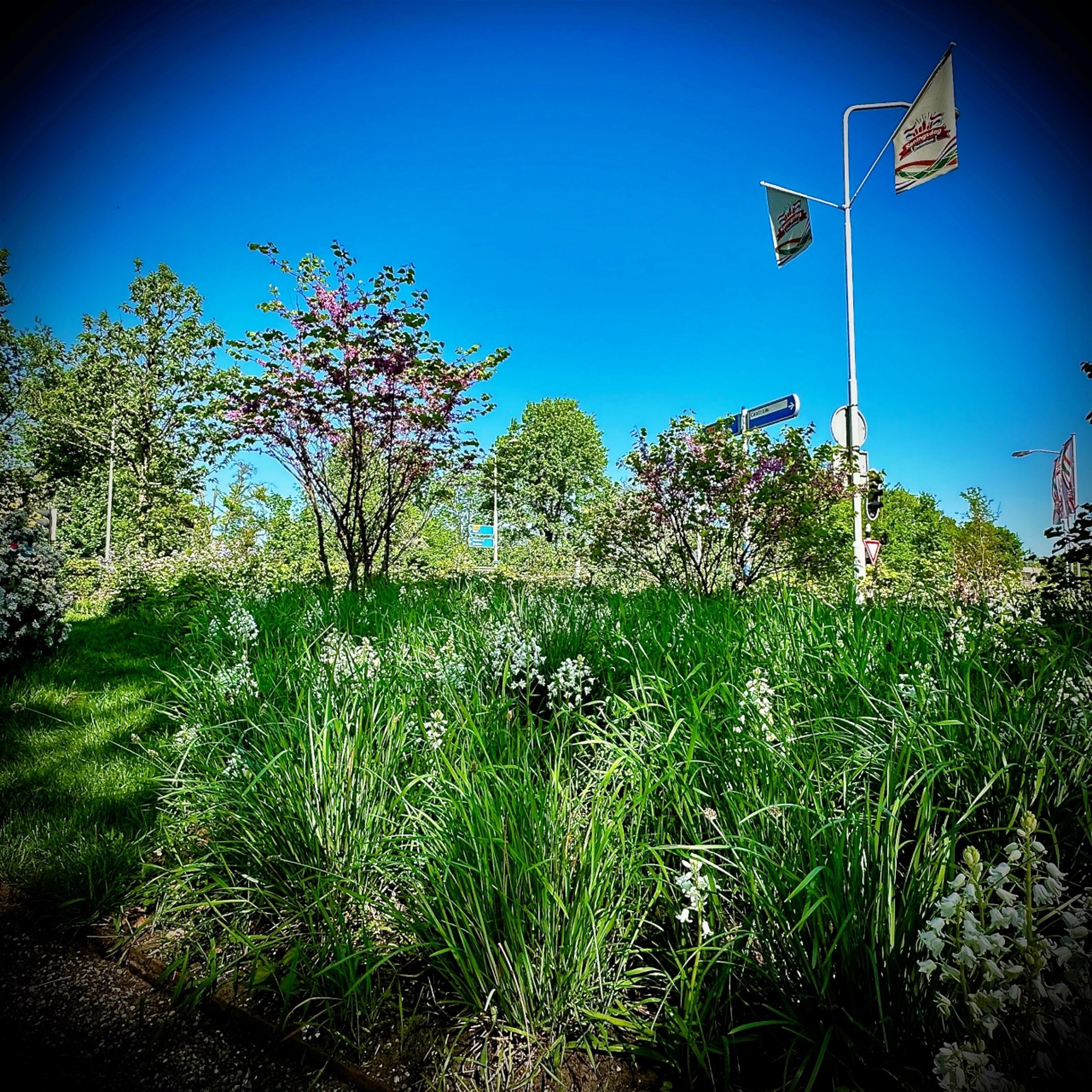
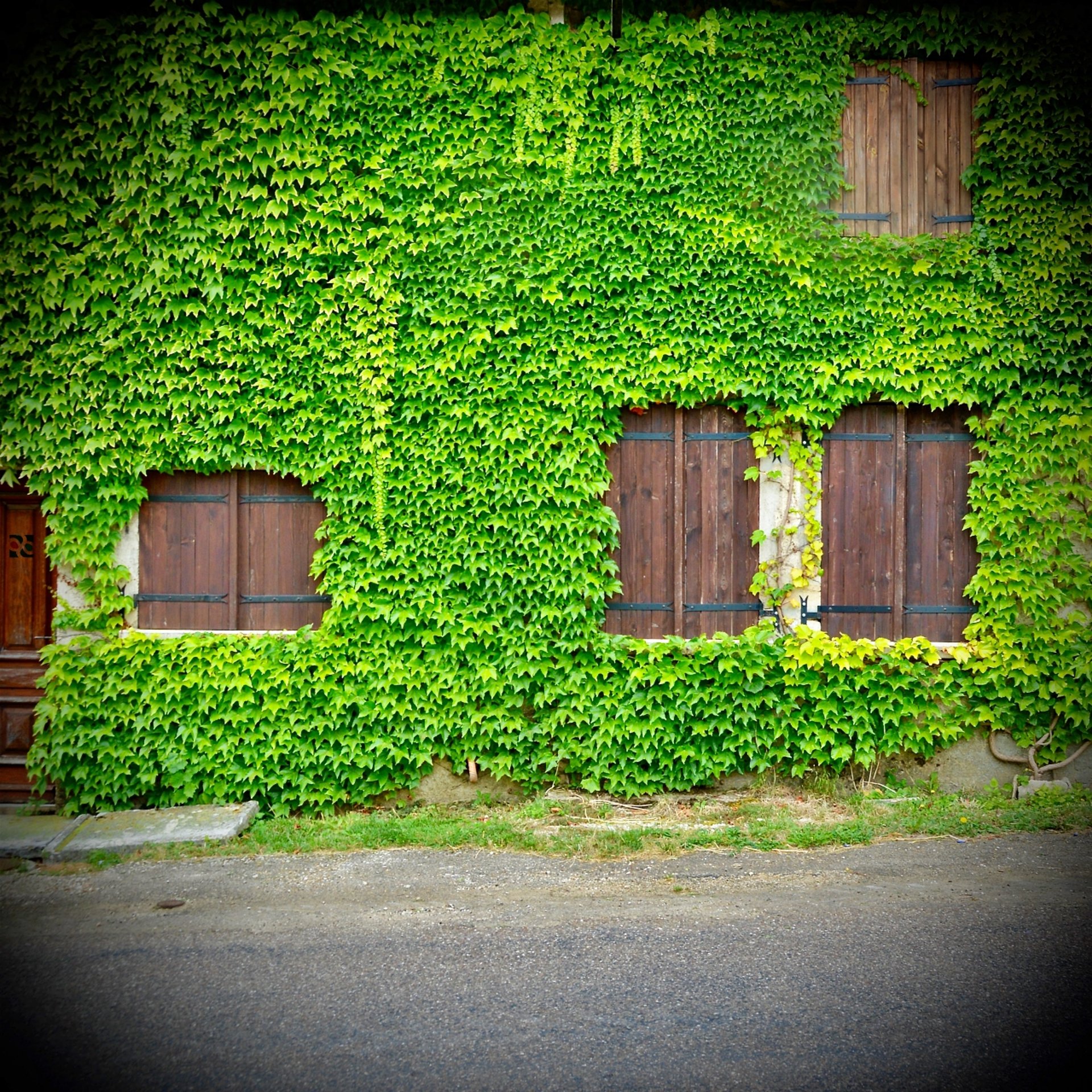
On one side there is the soft, natural aspect of the colour green: the young leaves in spring, the grass that grows, the light beneath the trees.
Artificial Intelligence already reveals this: the colour “green” is connected to “grow” and “grass,” and in almost every culture green stands for life, hope, and a new beginning.
When you get the “green light,” you may move forward; when you think “green,” you think of nature and health.
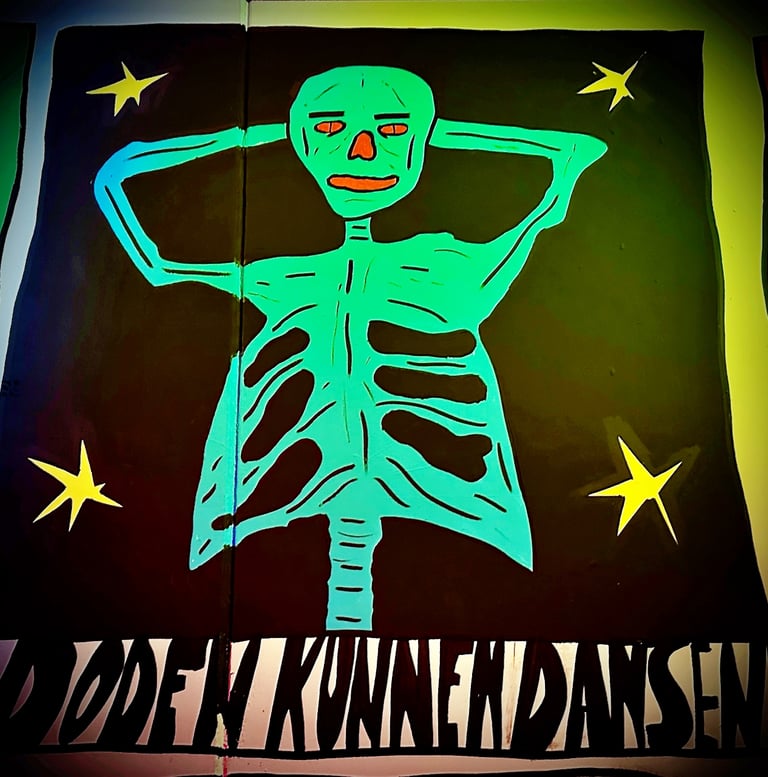
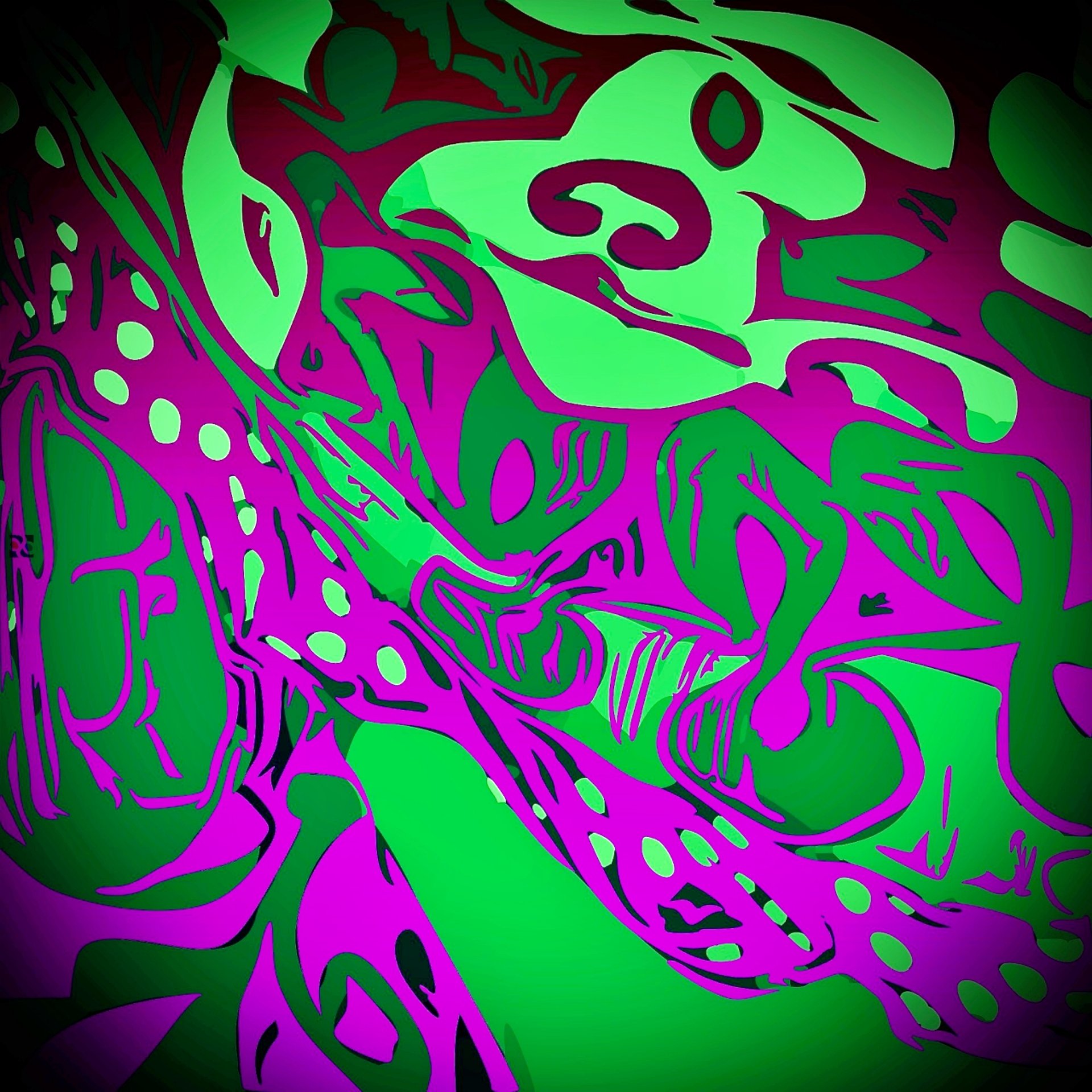
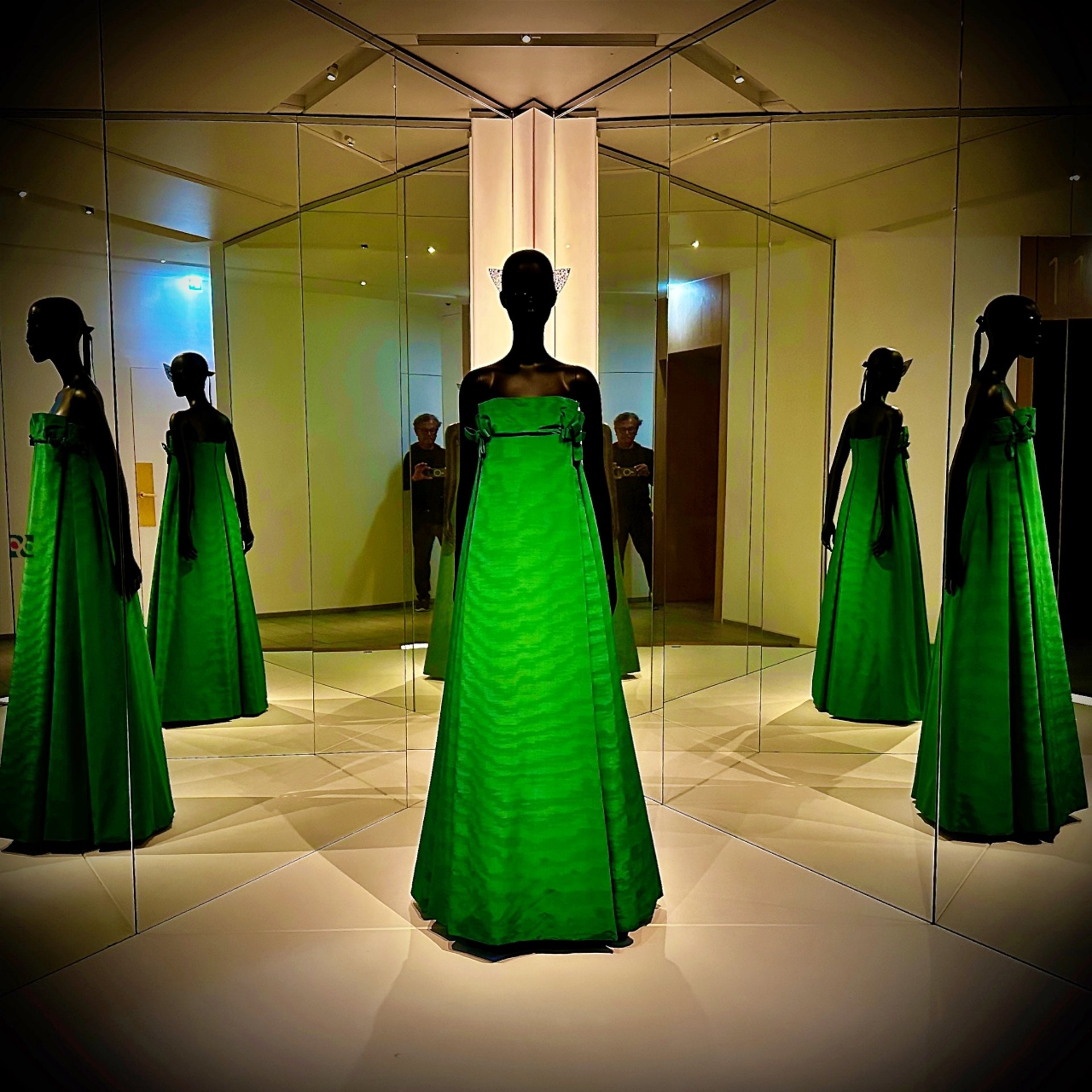

Green isn't just a colour
But as soon as Artificial Intelligence dives into history, the picture becomes more complex.
In the 18th and 19th centuries, bright green paints were made with arsenic.
The most beautiful wallpapers, dresses, and paintings could literally be poisonous.
The colour green that decorated rooms could at the same time poison their inhabitants.
That adds a dark layer beneath the colour green: what looks fresh and alive can be deadly.
In old stories and symbolism, the colour green also appears as the color of misfortune, jealousy, or the demonic.
In this way, the colour green gains a double charge: promise and danger in a single shade.
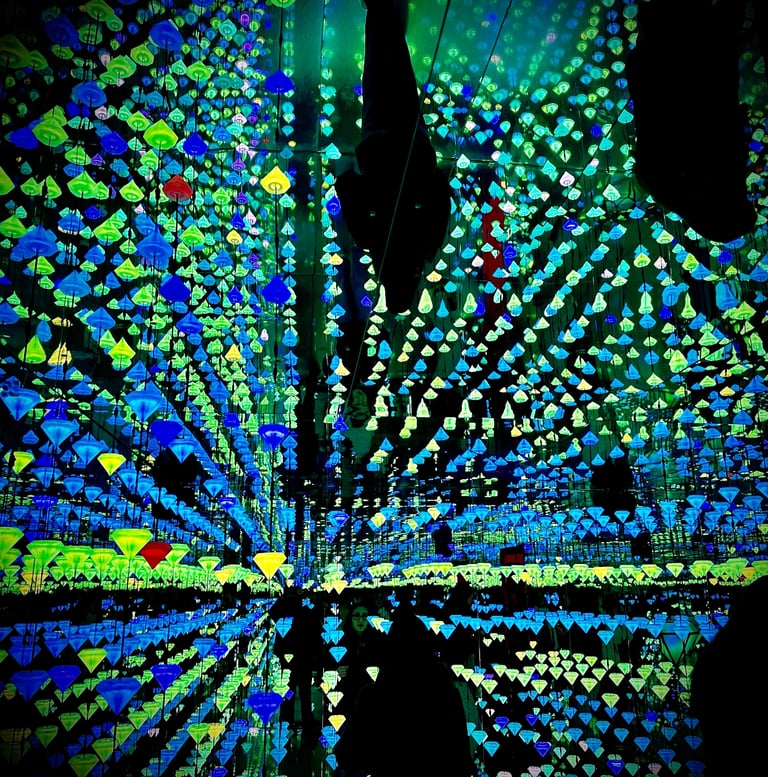


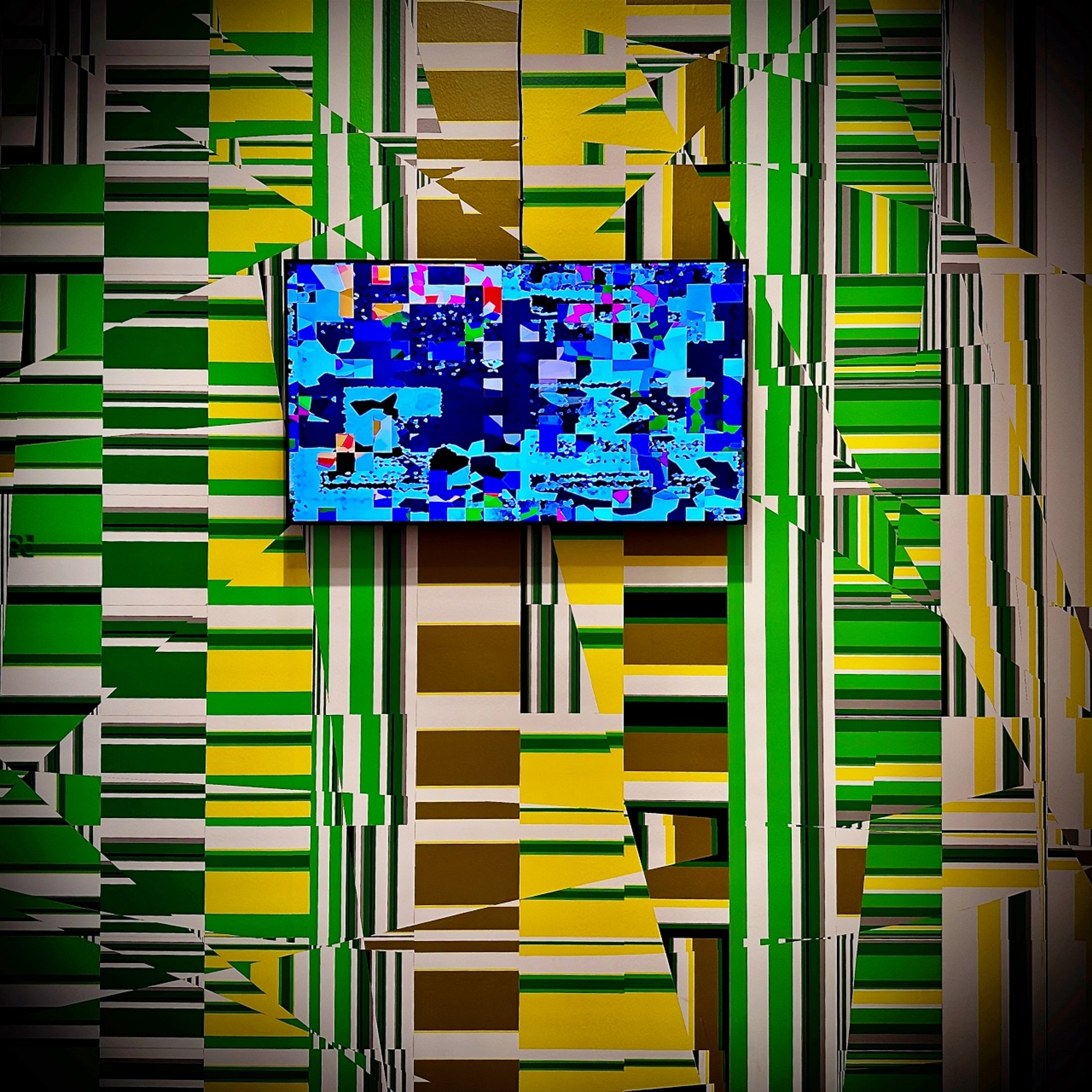
Green isn't just a colour
In our time, yet another layer is added: the colour green of sustainability.
Companies colour their logos green, politicians talk about green plans, and we speak of green energy and green cities.
The colour green becomes the signboard of responsibility, climate awareness, and a focus on the future.
But Artificial Intelligence also sees the discussions about greenwashing: situations where something is called or designed “green” without actions matching the image.
The colour green then becomes a marketing layer that makes reality look better than it is.
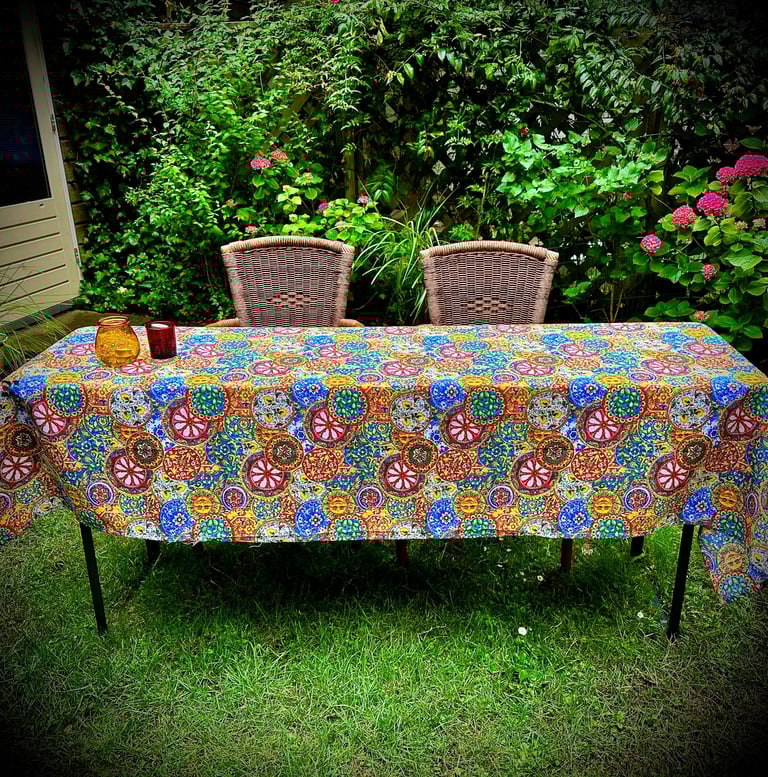



Green isn't just a colour
There, the story of the colour green touches Artificial Intelligence itself.
Researchers speak of “Green AI”: systems that are not only smart, but also waste less energy and help support fair, responsible choices.
The question then becomes: is our technology like that historical poisonous green paint —beautiful but harmful— or can we truly make it “greener” in the sense of caring and life-enhancing?



Green isn't just a colour
When you let all these sources come together through the “eyes” of Artificial Intelligence (AI), the colour green becomes the symbol of a choice.
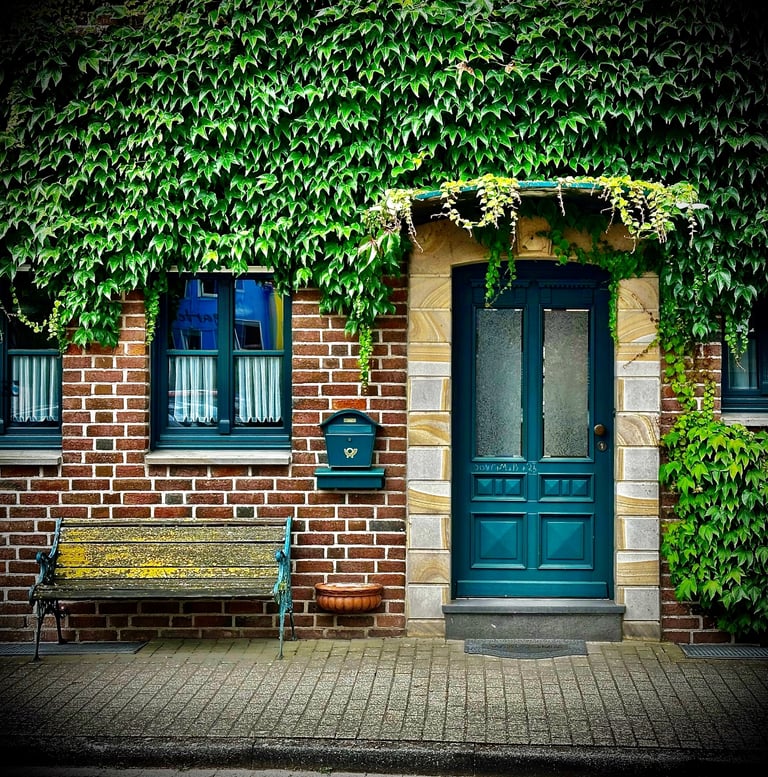
It is the colour of growth, hope, and nature, which at the same time reminds us of the possibility of deception, poison, and hypocrisy.
The colour green then tells the story of humans who must decide again and again: do we use our knowledge and technology to genuinely help what lives to grow, or do we merely paint a layer of color over what is wrong?
In that field of tension, it is humans, not the machine, who write the next chapter of the colour green.


Shades of Local Colours is Another MaxID